Revolutionizing React Libraries and Embracing Composable Components in the AI and XR Era
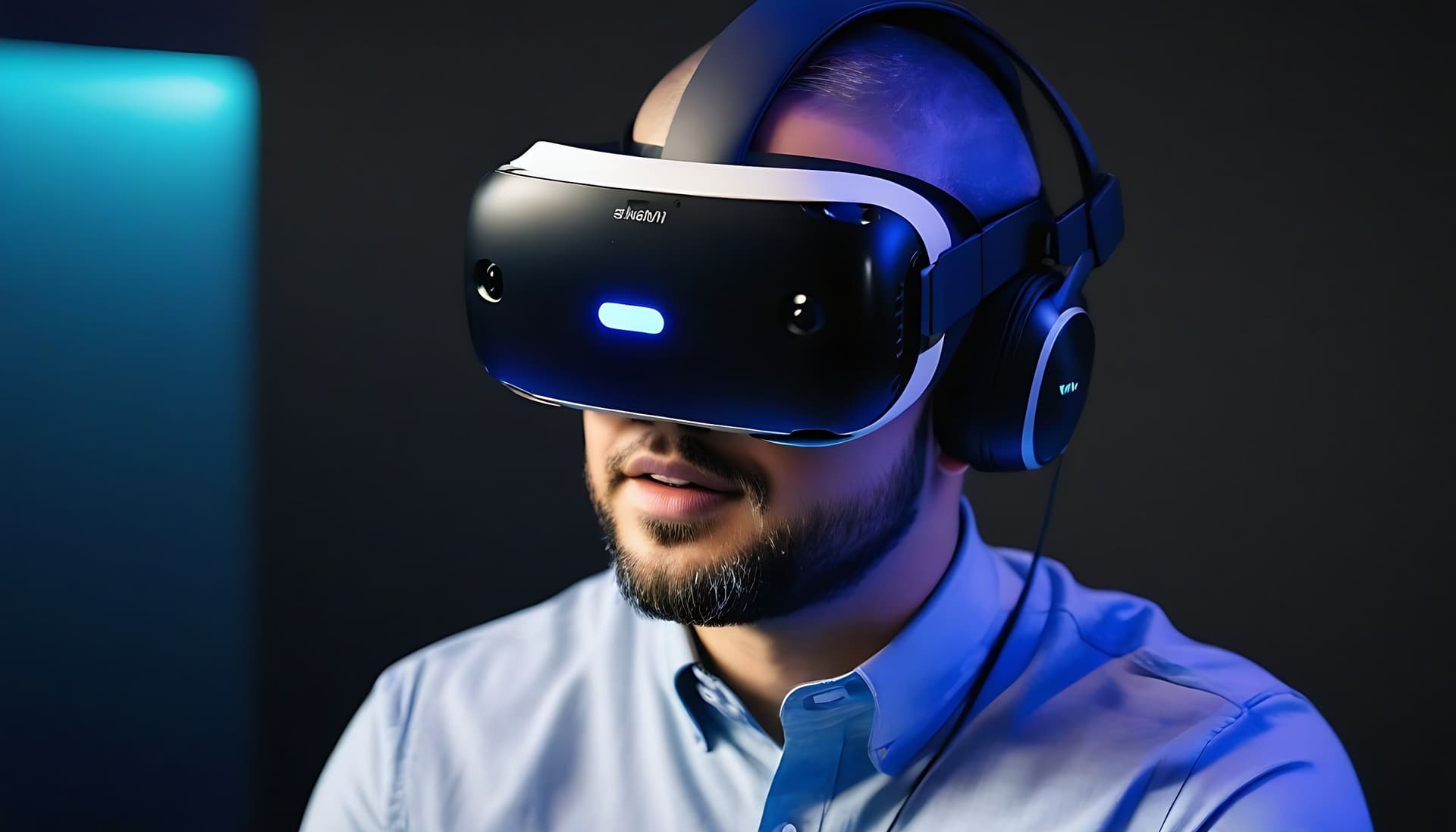
As we stand at the cusp of the AI wave and immerse ourselves in the realms of AR, VR, MR, and XR, it's intriguing to explore how these technologies will intersect and shape the future of composable components.
The AI Revolution: Smarter React Components
Artificial Intelligence (AI) is not just a buzzword but a transformative force reshaping the way we approach software development. In the context of React libraries, AI stands poised to enhance the development lifecycle. Imagine components that intelligently adapt to user behavior, optimizing UI/UX based on real-time analytics. AI-driven tools can automate testing processes, reducing the burden on developers and ensuring more robust and error-free code.
Moreover, the integration of machine learning models within React components can enable predictive features, making applications more intuitive and responsive. This not only streamlines development but also creates a more personalized and engaging user experience.
AR, VR, MR, and XR: The Rise of Composable Components
As Augmented Reality (AR), Virtual Reality (VR), Mixed Reality (MR), and Extended Reality (XR) gain prominence, the need for flexible and modular components becomes paramount. Composable components, a hallmark of React's philosophy, align seamlessly with the requirements of these immersive technologies.
AR, VR, MR, and XR applications often demand a mix of interactive 2D and 3D elements, each requiring specific functionalities. Composable components provide the flexibility to assemble these elements effortlessly, empowering developers to craft intricate and tailor-made experiences. Whether it's integrating a 3D model into a VR environment or overlaying AR elements onto a real-world scene, the versatility of composable components shines.
The Marriage of AI and XR: Intelligent Immersion
As AI and XR technologies converge, we can envision a future where AI-driven React components enhance the immersion in virtual environments. Imagine components that dynamically adjust based on user preferences, gaze tracking, or even emotional responses. AI can contribute to more realistic simulations within XR spaces, creating a symbiotic relationship between intelligent algorithms and immersive experiences.
Conclusion: Paving the Way for Tomorrow's Development Landscape
The future of React and React Native libraries is intricately tied to the transformative power of AI and the expanding horizons of XR technologies. Composable components will remain at the forefront, empowering developers to navigate the complexities of these advancements seamlessly. As we embrace the AI and XR era, the synergy between intelligent React components and immersive experiences holds the key to unlocking unprecedented possibilities in the world of software development.